
Discover the Secrets to Fulfillment with the Art of Happiness
Introduction
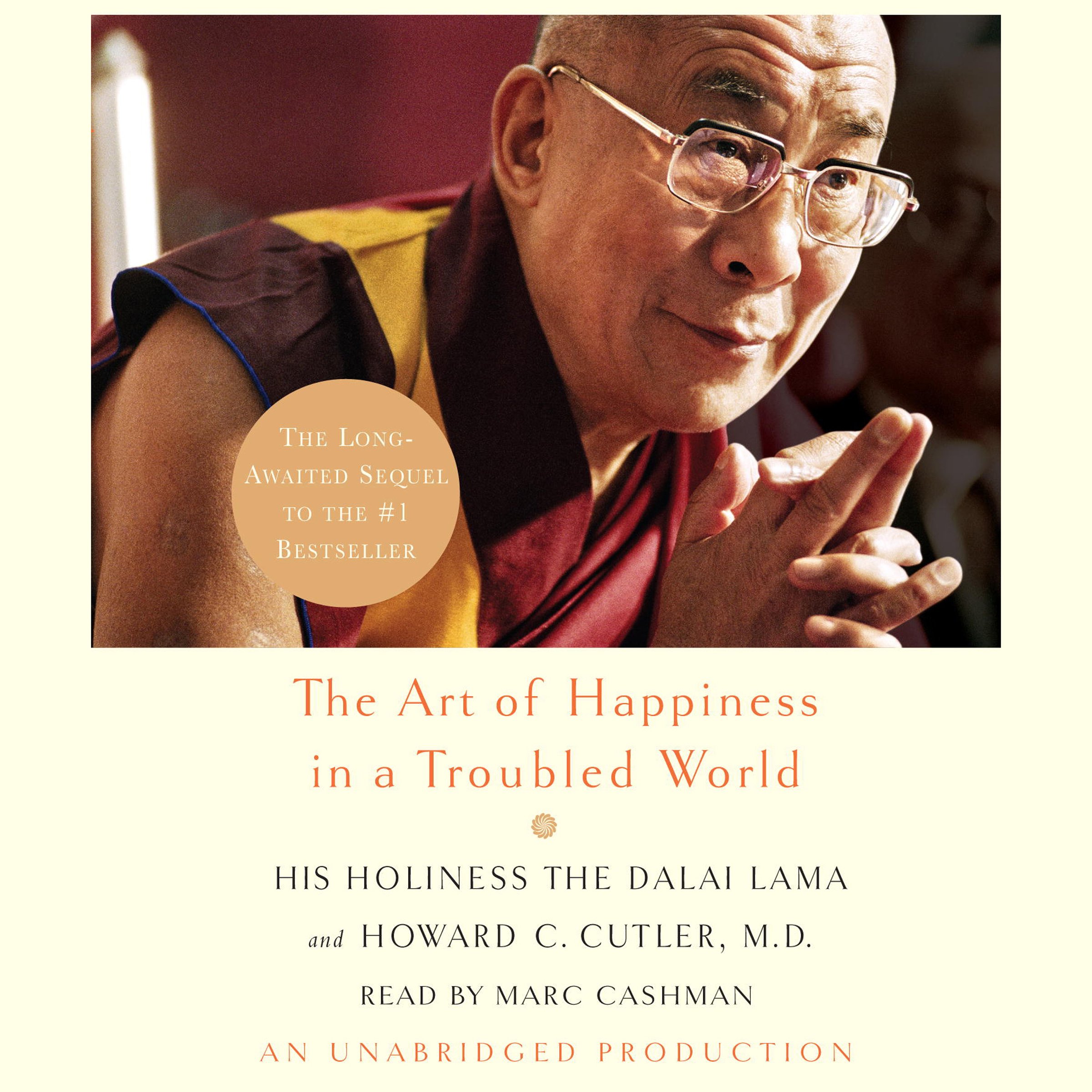
In a world bustling with chaos and distractions, finding inner peace and happiness can seem like an elusive dream. However, the Dalai Lama XIV and Howard Cutler's enlightening book, Art of Happiness, offers invaluable insights and practical wisdom on cultivating joy in everyday life. This transformative guide not only reveals the essence of happiness but also provides you with actionable steps towards enhancing your well-being.
About the Authors
The collaboration between the Dalai Lama, a spiritual leader renowned for his teachings on compassion and mindfulness, and psychiatrist Howard Cutler makes for a compelling read. Their unique blend of Eastern philosophy and Western psychological principles offers a comprehensive approach to understanding the human experience. This partnership creates a bridge between cultures, bringing ancient wisdom into the modern world.
Key Themes Explored in the Art of Happiness
1. Happiness as a Skill
One of the most profound insights from the book is the idea that happiness is not merely a fleeting emotion but rather a skill that can be developed. The Dalai Lama emphasizes that it requires practice, patience, and persistence. Just like learning to play an instrument, cultivating happiness requires effort and dedication.
2. The Role of Compassion
Compassion is another central theme. The authors argue that true happiness arises from caring for others and building meaningful connections. The Dalai Lama states it poignantly:
“The more we care for the happiness of others, the greater our own sense of well-being becomes."
This perspective shifts the focus from self-centered pursuits of happiness to a more altruistic approach, reminding us that our joy is interconnected with the happiness of those around us.
3. Overcoming Suffering
Life is filled with challenges, and the book doesn’t shy away from discussing suffering. The Dalai Lama explains that suffering is an inherent part of the human experience, but it can lead to growth and understanding. By reframing our mindset and embracing adversity, we can learn valuable lessons that contribute to our overall happiness.
4. The Importance of Mindfulness
Mindfulness is a powerful tool discussed throughout the text. By being present in the moment and embracing our thoughts and feelings without judgement, we can cultivate a deeper connection to ourselves and the world. The Dalai Lama encourages readers to practice mindfulness as a way to foster happiness and resilience.
Practical Tips for Cultivating Happiness
The book is rich with practical exercises and suggestions to help readers apply the principles of happiness in their daily lives. Here are some actionable takeaways:
Practice Gratitude: Daily reflection on what you are grateful for can shift your focus from what you lack to what you possess.
Engage in Acts of Kindness: Simple acts of kindness, whether big or small, can significantly uplift your spirits and enhance your connections with others.
Meditate Regularly: Incorporating mindfulness meditation into your routine can help clear your mind and reduce stress.
Challenge Negative Thoughts: Recognize and confront negative thought patterns that cloud your happiness. Reframe them into positive affirmations.
Connect with Nature: Spend time outside to rejuvenate your spirit and foster a sense of peace and happiness.
Philosophical Insights on Happiness
The Dalai Lama's perspective on happiness is rooted deeply in Buddhist philosophy. He emphasizes that happiness arises from within rather than external circumstances. This radical idea encourages readers to look inward for lasting fulfillment rather than relying on material possessions or external validation.
Moreover, the concept of interdependence is central to understanding happiness. The Dalai Lama teaches that all beings are interconnected, and our actions have ripple effects. Realizing that our happiness contributes to the collective well-being can be a game-changer in how we approach life.
The Impact of Cultural Perspectives on Happiness
The book also delves into how cultural views shape our understanding of happiness. Western societies often associate happiness with success and wealth, while Eastern philosophies focus more on inner peace and balance. The blending of these perspectives in the Art of Happiness invites readers to explore their own beliefs about happiness and consider how they may be influenced by societal norms.
Critique of the Art of Happiness
While the Art of Happiness is a treasure trove of wisdom, it's worth noting that some readers may find its concepts idealistic. Happiness is a complex and sometimes elusive goal, and the book's approach might not resonate with everyone.
Additionally, some may feel overwhelmed by the need to implement all of the suggestions provided. It's essential to remember that personal growth is a journey. Readers should feel empowered to pick what resonates most with them and gradually incorporate those practices into their lives.
Conclusion of the Journey
As you navigate through the pages of this profound work, you'll discover that happiness is not just a destination; it's a journey. The Dalai Lama and Howard Cutler masterfully guide you through various aspects of life, encouraging you to embrace the art of happiness with open arms.
The synthesis of their teachings offers a refreshing perspective that is both engaging and thought-provoking. Whether you are struggling to find joy or simply wish to deepen your understanding of happiness, the Art of Happiness is a must-read for anyone on the path to self-discovery and well-being.
Personal Reflections
The journey through the Art of Happiness is nothing short of enlightening. As I read through the pages filled with the Dalai Lama’s wisdom, I found myself reflecting deeply on my own life choices and perceptions of happiness. The emphasis on compassion and mindfulness resonated with me, reminding me of the importance of nurturing connections with others. Personally, I discovered that the practices of gratitude and kindness have a profound impact not only on my well-being but also on the people around me. The book prompts us to rethink our definitions of success and happiness, steering us away from materialistic pursuits towards a more fulfilling, interconnected existence.
Conclusion
In wrapping up this exploration, it’s clear that the Art of Happiness offers remarkable insights that can genuinely transform your outlook on life. The Dalai Lama and Howard Cutler present a compelling case for viewing happiness as a skill to be nurtured and cultivated. By embracing the teachings within this book, such as the power of compassion and the importance of mindfulness, readers are equipped with the tools necessary to embark on their unique journey toward achieving lasting joy. Ultimately, the Art of Happiness serves as a guiding light for anyone seeking to enhance their quality of life through understanding and practical application.
FAQ
What is the main message of the Art of Happiness?
The main message is that happiness is a skill that can be cultivated through compassion, mindfulness, and genuine connections with others.How can I apply the teachings from the book in daily life?
You can apply these teachings by practicing gratitude, engaging in acts of kindness, meditating regularly, and being mindful of your thoughts.Is the book suitable for everyone?
Yes, the book offers universal insights that can benefit anyone seeking happiness, regardless of their background.
What makes this book different from other self-help books?
The Art of Happiness uniquely combines Eastern philosophy with Western psychology, providing a holistic approach to understanding happiness.Can I read the book if I’m new to mindfulness and self-help concepts?
Absolutely! The book is accessible and provides practical advice that is easy to understand, even for beginners.
Get It On Amazon: Link.
If you're passionate about personal growth and self-improvement, don't miss out on more insightful content. 🔔 Subscribe Here to stay updated!
This post may contain affiliate links, meaning we earn a commission if you make a purchase through these links, at no additional cost to you.
Comments
Post a Comment